|
1
|
- Presented by Albert Donnay, MHS
University of Maryland
Dept of Epidemiology & Preventive Medicine
Toxicology Seminar
14 April 2005
|
|
2
|
- “paradoxical or difficult problems”
|
|
3
|
- ATSDR
- CDC
- CPSC
- DOD
- DOE
- DOI’s NPS
- DOT’s NHTSA
|
|
4
|
- 0 to 1 ppm =Normal CO level
in fresh air and exhaled breath of healthy non-smokers
- 2 to 3 ppm =Avg. outdoor
ambient CO level associated with significant increases in
ER
visits and hospitalizations for asthma and cardio-vascular disease
- 5.5 ppm =Avg. outdoor
ambient CO level in third trimester of pregnancy associated
with
significant increase in low birth weight babies.
- 5 to15 ppm = CO level in
exhaled breath associated with many chronic diseases
- 9 ppm = Max 8-hour avg.
outdoor ambient CO level allowed by EPA
- 10 to 30 ppm = CO level in
exhaled breath of smokers more than one hour after smoking
- 30 ppm = Min. CO level allowed
to be displayed in home CO detectors by CPSC
- 35 ppm = Max 1-hour avg.
outdoor ambient CO level allowed by EPA,
also Max
8-hour avg workplace ambient CO level recommended by NIOSH
- 50 ppm = Max 8-hour avg
workplace ambient CO level allowed by OSHA (highest on earth)
- 70 ppm = Min. CO level for
home CO detector alarm, but only if exceeded for 1 to 4 hours
- 100 to over 1000 ppm = CO level
exhaled by smokers while smoking
- 200 ppm = CO level at which
NIOSH recommends immediate evacuation of any workplace
- 400 ppm = Max CO level for home
CO alarm, but only if exceeded for 4 to 15 minutes
- 800 ppm = CO level allowed from
gas ovens & range tops (combined) by ANSI’s 1925 std
- 1200 ppm = CO level NIOSH considers “Immediately Dangerous to Life and
Health”
- 3000 ppm (0.3%) = CO inhaled in DLCO test as part of standard lung
function testing
- 5000 to 15,000 ppm = CO level in gas engine exhaust without working
catalytic converter
- Pure CO (100 %) = single inhalation is lethal; used by veterinarians to
euthanize animals
|
|
5
|
- GIVEN that CO is the leading cause of unintentional toxic deaths and
poisonings
and the most ubiquitous air pollutant in USA …
- WHY has ATSDR not published a detailed Toxicological Profile on CO or
even a “ToxFAQ” sheet on CO as it has for over 250 other toxic chemicals
to which most people are less frequently and less significantly exposed?
|
|
6
|
- GIVEN that CDC’s mission is “to insure that critical health information
gets out to the people who need it most ... to protect public health and
safety” ...
- WHY have no CDC Centers ever funded or published any research on CO’s
role as an endogenously produced neurotransmitter (as only obscure US
NIDCD has) or on the diagnosis or treatment of CO poisoning ?
|
|
7
|
- GIVEN that CPSC’s mission is “Saving Lives and Keeping Families Safe”...
- WHY do CPSC statistics never include CO deaths from vehicles (only
appliances) and why did it force
UL to change its CO alarm standard in 1998 to prohibit home alarms below
70ppm and even any display of CO levels below 30ppm, when EPA’s limit
for outdoor exposure is only 9ppm ?
|
|
8
|
- GIVEN that DOD recognizes hazards of CO indoors, requiring CO alarms in
all Navy, Air Force and Army base housing worldwide ...
- WHY has DOD not studied the effects of exposure to CO in the Gulf War
from firing and exploding munitions, engine exhaust, and tent heaters, esp. since CO
poisoning
is known to cause all the “undiagnosed” symptoms of Gulf War
Syndrome?
|
|
9
|
- GIVEN that DOE funds weatherization programs in every state that reduce
air leaks in low-income housing and upgrade gas appliances ...
- WHY doesn’t DOE require any standardized testing of appliances to find
and correct any CO sources that may be made worse by weatherization ?
|
|
10
|
- GIVEN that NPS recognizes the
hazards of CO indoors, requiring CO alarms in all NPS staff housing
& recommending them in all houseboats used in national parks...
- WHY doesn’t NPS recommend CO alarms in cars, motor homes and campers
since these CO sources also kill people in national parks ?
|
|
11
|
- GIVEN that NHTSA has known since 1991 that both suicides and
unintentional deaths from CO could be prevented at cost of less than $12
per vehicle ...
- WHY has NHTSA done nothing about this since 1991 as over 15,000 more
people have died?
- Why has it not responded to a petition filed by Donnay and others in
2001 asking that all vehicles be required to have a CO detector with an
engine cut-off switch ?
|
|
12
|
- GIVEN that EPA concluded a 10-year review of its Air Quality Criteria
for CO in 2000, including a review of recent CO literature showing many
adverse affects at levels below the current outdoor limit of 9ppm,
especially among asthmatics...
- WHY did EPA not propose lowering either its 8 hour average limit of 9ppm
or its
1 hour average limit of 35ppm?
- Why does EPA still not post or publish any info about the role of CO in
asthma ?
|
|
13
|
- GIVEN that FAA requires passenger planes to be equipped with smoke
detectors ...
- Why doesn’t FAA require or even allow the installation of real CO
detectors with digital displays or audible alarms on any planes? (Since 1972, it has allowed only “CO
Spots” that change color when exposed.)
|
|
14
|
- GIVEN that FDA’s mission is to regulate all medical drugs and devices
used to diagnose, treat or prevent disease ...
- WHY does FDA regulate oxygen and nitric oxide gases but not CO, despite
the widespread use of CO by respiratory therapists in DLCO lung function
testing
at 3000 ppm?
- 3000ppm is more than twice the 1200ppm that NIOSH deems “Immediately
Dangerous to Life & Health” and 15 times the level at which NIOSH
recommends the immediate evacuation of any workplace!
|
|
15
|
- GIVEN that HUD requires all the homes it finances to have smoke
detectors to protect against a deadly hazard that can be seen, smelled
and tasted ...
- WHY does HUD not require CO detectors for a deadly hazard that is
invisible, odorless and tasteless ?
|
|
16
|
- GIVEN that Environmental Health Perspectives, the journal of NIEHS, has
published many studies showing CO is more significantly associated with
asthma than any other pollutant...
- WHY has NIEHS not required any of the many asthma researchers it funds
to study or even control for CO exposures ?
|
|
17
|
- GIVEN that NIOSH recognizes the hazard posed by CO on houseboats, which
it investigated at the request of DOI’s NPS in 2000, and given that it
now recommends CO detectors in all motor boats ...
- WHY has NIOSH refused to recommend CO detectors in motor vehicles or
even to investigate the issue when CO in vehicles causes 100 times more
deaths per year ?
|
|
18
|
- GIVEN that OSHA tried to lower its occupational limits for CO from 50ppm
avg over 8 hours to 35ppm (NIOSH’s recommended limit) in 1988 but was
stopped from doing so by the US Circuit Court of Appeals, which remanded
the rule for reconsideration...
- WHY has OSHA still not reconsidered it under Presidents Bush, Clinton or
Bush Jr. ?
|
|
19
|
- GIVEN that supplemental oxygen is widely recognized in medicine as the
only effective treatment for CO poisoning...
- WHY do SSA’s Medicare and Medicaid guidelines not permit the
prescription of supplemental oxygen for chronic CO poisoning (only
allowed for people with low arterial PO2, not high venous PO2) ?
|
|
20
|
- GIVEN that so many federal agencies have
so many inadequate CO policies & regulations
based on such limited awareness of CO literature
- WHAT changes should Donnay try to achieve?
- Change how motor vehicles are designed
- Change how ovens and ranges are designed
- Change how home garages are designed
- Change how home CO detectors are designed
- Change awareness of endogenous CO
- Change how CO-related disorders are
screened, diagnosed and treated
|
|
21
|
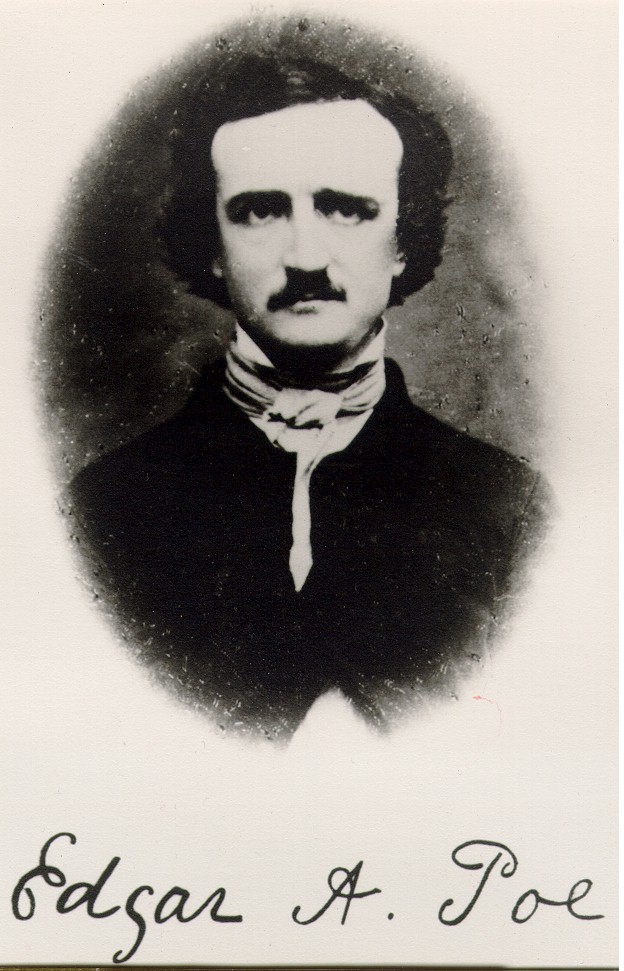
- Edgar Allan Poe, the creator of the detective story, left the greatest
mystery of his life unsolved
—the cause of his recurring illness and early death at the age of
40.
- Presented here by Poe himself in the format of a Historic Grand Rounds
are the many clues that Poe left for us in the words of his own letters
and his tales, along with the diagnoses offered by his family, friends
and the physicians who knew him. As in a traditional Grand Rounds, the
audience will be invited to guess the cause of Poe’s illness at the
conclusion of his remarks.
- This play was written in 2000 to educate health professionals about what
is still a very common cause of illness and death in America. A review
in the NIH Record of a 2002 performance at the National Library of
Medicine described the play as “riveting” and “spellbinding” – don’t
miss it!
|

 Notes
Notes