|
1
|
|
|
2
|
- 1999 Consensus Definition (Arch Env Health 1999;54:147-9)
[1] MCS is a chronic
condition
- [2] marked by multiple symptoms in multiple organs
- [3] that recur reproducibly
- [4] in response to low levels of exposure *
- [5] to multiple unrelated chemicals and
- [6] improve or resolve when incitants are removed.
- Best of 7 MCS Definitions at
identifying MCS cases
(McKeown-Eyssen et al, Arch Env Health 2001;56:406-12)
|
|
3
|
- CARDIOVASCULAR 9
- DIGESTIVE 18
- EARS // HEARING 7
- EYES // VISION 12
- GENITO-URINARY 10
- HEAD 6
- MOUTH // TASTE 14
- MUSCULOSKEL. 14
- NECK 3
- NERVOUS SYSTEM 43
- NOSE // SMELL 10
- SYSTEMIC // OTHER 17
- VASCULAR 5
- REPRODUCTIVE 17
- RESPIRATORY 6
- SKIN // TOUCH 7
- THROAT 5
- TOTAL # SYMPTOMS = 203
|
|
4
|
- Abnormal Blood & Plasma
- Impaired Circulation
- Impaired Heart Function
- Impaired Detox Pathways
- Ear & Hearing Abnormalities
- Endocrine Deficiencies
- Eye & Vision Abnormalities
- Gastrointestinal Impairment
- Immune System Activation
- Increased Mast Cells
- Mineral Deficiencies
|
|
5
|
- Most MCS-related papers do not acknowledge any funding !
- But 10 US federal agencies fund over $25M per year: ATSDR,
CDC, DOD, DOE, DVA, EPA, NIDCD, NIEHS, NIH & NIOSH
- US Dept of Defense also funds MCS studies of UK veterans
- State governments in California, Maryland, Missouri, New Jersey, New
Mexico & Washington have funded MCS studies
- Both patient support groups (eg. CIIN) and chemical industry front
groups (eg. ESRI) have funded MCS conferences and
pilot studies that reflect their respective biases.
|
|
6
|
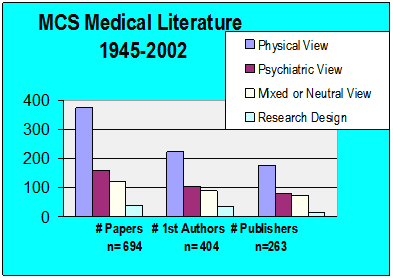
- Overlaps:
Only 11% of
First Authors
and 30% of Publishers have ever
supported more than
one view !!!
|
|
7
|
- 5 US studies find 28% - 37% of adults say they are
“especially sensitive” to common chemical exposures
- 4 US studies find 15% - 17% say they’re “unusually sensitive”
- 6.3% in CA and 1.9% in NM say they have been diagnosed
by a medical professional with MCS or “environmental illness”
- US, Canadian and UK studies of Gulf War veterans all find
an increased prevalence of (still undiagnosed) MCS with a relative
risk of 2 to 4 compared with undeployed era controls
- Whatever cause(s), must be very common and moreso in war.
|
|
8
|
- NOT JUST ODORS: LIGHT & SOUND HYPERSENSITIVITY
are very strongly associated with MCS: p < 0.00001 (Miller,
Tox Ind Health, 1999;15:370-85)
- When asked, many MCS patients also report chronic
hypersensitivity to:
SPICY FOODS // FLAVORS- TOUCH // PRESSURE // PAIN
- HOT or COLD WEATHER
- ELECTROMAGNETIC FIELDS
- HEAVY METALS (NICKEL JEWELRY)
- MENTAL or PHYSICAL EFFORT // STRESS OF ANY KIND
|
|
9
|
- MCS not new or unique in English or French medical literature.
- At least 136 similar syndromes “Discovered” before & since.
- Few acknowledge any relation to any others, past or current.
- Few propose any specific cause, etiology, biomarker or cure.
- Most names never widely adopted or eventually abandoned.
- But some are still in use and many MCS cases are still being diagnosed
by one or more of them depending on the doctor.
- History reveals both consistency of underlying syndrome and great
inconsistency of evolving medical awareness, proving doctors rarely ever
discover any NEW disorders, just ones
they forgot, were never taught or did not bother to look up !
|
|
10
|
- “To enumerate all the almost infinite Symptoms, Degrees and Kinds of Vapours
is impossible, and perhaps very little to the Purpose.”
- “In general … the symptoms are many, various, changeable, shifting from
one Place to another, and imitating the Symptoms of almost every other
Distemper described.”
- “Those who suffer … are all of weak Nerves, have a great degree of
sensibility; are quick Thinkers, feel Pleasure or Pain the most readily,
and are of most lively imagination.”
- “Not withstanding all this, the Disease is as much a bodily Distemper as
the Small-Pox or a Fever.”
- Worst in winter & cities.
Blamed on bad air, bad diet & bad habits.
|
|
11
|
- “Sometimes there is an Inflation, and an actual visible Swelling, to a
very considerable Bigness, in the Stomach to be seen, especially in the Sex
[women];
- … a Coldness or Chilliness upon the Extremities, and sometimes Flushing
and Burning in the Hands and Feet,
Cold Damp Sweats, Faintings, and Sickness …
- … Head-aches either behind or over the Eyes …
Flies and Atoms dancing before the Eyes, a Noise like the dying
Sounds of Bells, or a Fall of Water, in the Ears; Yawning, and
Stretching, and sometimes a Drowsiness or Lethargy, at other times Watching
and Restlessness,
- and several other Symptoms, which it is impossible to enumerate. Some have but a few of these Symptoms,
and some all of them, and a great many more.” [emphasis in the original]
|
|
12
|
- 1733 The English Malady
aka The Vapours
- 1769 Dysesthesia
- 1837 Neuropathy of
Nervousness
- 1849 Nervosisme (France)
- 1861 Ménière's Disease
- 1869 Neurasthenia >1K*
- 1892 Hyperaesthesia
- 1894 Autointoxication
- 1921 Chronic CO Poisoning
- 1930 Heat, Cold and &
Effort
Sensitiveness
|
|
13
|
- 1978 Chemical
Hypersusceptibility
- 1979 Perinatal Hypoxic-
Ischemic Cerebral Syn.
- 1982 Total Allergy Syndrome
- 1983 Sick Building Syndrome
- 1985 20th Century Syndrome
- 1985 Allergic Irritability Syn.
- 1985 Environmental
Hypersensitivities
- 1986 Hypersensitivity Syndrome
- 1987 Darkroom Disease
- 1987 Multiple Chemical Sensitivity <1K
|
|
14
|
- 1875 Spinal Neurasthenia
- 1881 American Nervousness
- 1886 Sexual Neurasthenia
- 1887 Gastric Neurasthenia
- 1889 Neurasthenia
Praecox (aka Male N.)
- 1890 Psychosomatic
Neurasthenia
- 1891 Female Neurasthenia
- 1893 Syphilitic Neurasthenia
- 1895 Senile Neurasthenia
- 1897 Traumatic Neurasthenia
- 1898 Encephalasthenia
- 1903 Disease of the Century
- 1906 Tropical Neurasthenia
- 1907 Endocrine Neurasthenia
- 1907 Ocular Neurasthenia
- 1908 Digestive Neurasthenia
- 1909 Battleship Neurasthenia
- 1968 Pseudoneurasthenic Syndrome
- 1976 Organic Neurasthenia
- 1976 Neurasthenic
Musculoskeletal
Pain Syndrome
|
|
15
|
- 1980 Neurasthenic Neurosis
- 1988 Neurasthenic Fatigue
- Types of Unknown Origin and Date Cited by Secondary Sources
- and/or Listed in Stedman’s Medical Dictionary
- Angiopathic Neurasthenia
- Cardiac Neurasthenia
- Cardiovascular Neurasthenia
- Insania Neurasthenia
- Neurasthenia Chemicorum
- Neurasthenia Gravis
- Post-viral Neurasthenia
- Pulsating Neurasthenia
|
|
16
|
- 1765 Nervous, Hypochondriac or Hysteric
- 1766 Hypochondriasis,
aka Hyp or Hypo
- 1859 Briquet’s Syndrome
- 1871 Hebephrenia
- 1895 Anxiety Neurosis >28K
- 1904 Phrenasthenia
- 1906 Psychasthenia
- 1912 Autism >6K
- 1914 Shell Shock Syndrome
- 1916 Battle Fatigue Syndrome
- 1918 War Neurosis
- 1930 Generalized Anxiety>1.5K
|
|
17
|
- 1968 Pseudo Combat Fatigue
- 1968 Hyperkinetic Behavior Syn
- 1973 Ecologic Mental Illness
- 1973 Psychalgia
- 1974 Epidemic or Mass Hysteria
- 1977 Pinocchio Syndrome
- 1978 Mass Psychogenic Illness
- 1978 Psychic Possession
- 1980 Post Traumatic Stress
Disorder >6.5K (count incl.
Traumatic Neurosis)
- Attention Deficit Disorder
- 1981 Pervasive Developmental Disorder
>7K
|
|
18
|
- 1857 Remittent Fever,
aka Crimea Fever
- 1866 Railway Spine
- 1871 Irritable Heart,
aka DaCosta’s Syndrome
- 1887 Undulating Fever,
aka Malta Fever
aka Mediterranean Fever
- 1904 Fibrositis
- 1934 Chronic Brucellosis
- 1936 Morbid Industrial Fatigue
- 1938 Neurocirculatory
Asthenia,
aka Effort Syndrome
- 1941 Chronic Fatigue
- 1950 Epidemic Neuromyasthenia
aka Icelandic Disease,
aka Akureyri Fever
- 1956 Encephalomyelitis
simulating Poliomyelitis,
aka Royal Free Hospital
- 1956 Benign ME, aka Myalgic
Encephalomyelitis <100
- 1957 Epidemic Postinfectious Neuromyasthenia
- 1958 Irritable Colon Syn
- 1959 Irritable Bowel Syn >3.5K
|
|
19
|
- 1960 Temporomandibular Joint
Pain >3K
- 1970 Myofascial Pain Syndrome >4.5K
- 1975 Fibromyalgia >2.5K**
- 1982 (Familial) Chronic Mononucleosis
- 1984 Chronic Active Epstein Barr
Virus
- 1986 Sporadic Postinfectious Neuromyesthenia
- 1987 Chronic Fatigue Syndrome >2K**
- 1988 Chronic Fatigue and Immune Dysfunction Syndrome
- 1990 3 types of Asthenia: Episodic, Recurrent and Chronic
- 1997 Chronic Pain and Fatigue Syndrome
- 1998 Chronic Multi-Symptom Illness
- 2001 Chronic Neuroendocrineimmune Dysfunction Syndrome
|
|
20
|
- 1832: 1st Report of Symptoms in Loss of Breath
- 1839: Over 50 Specific Symptoms in Fall of House of Usher
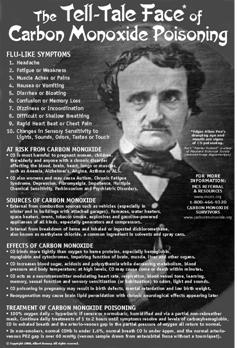
- 1839: 1st Report of Facial Sign in The Man Who Was Used Up
- 1840: 1st Report of Cause in Philosophy of Furniture
- 1843: 1st Report of Psych Misdiagnosis in The Tell Tale Heart
“Now have I not told you that what you mistake for madness
is but overacuteness of the senses?”
- 1844: 1st Report of Successful Therapy in Premature Burial
- 1849: Poe dies as he predicted of “Congestion of the Brain”
|
|
21
|
- "All the documents I have read led me to the conviction that
for Poe the United States was nothing more than a vast prison
which he traversed with the feverish agitation of a being
made to breathe a sweeter air
- — nothing more than a great gas lighted nightmare —
- and that his inner, spiritual life, as a poet or even as a drunkard,
was nothing but a perpetual effort to escape the influence of
this unfriendly atmosphere."
- Gas light made from coal contained 5 % to 50 % Carbon Monoxide
- CO exposure limits today= 0.0009 % outdoors, 0.005% occupational
|
|
22
|
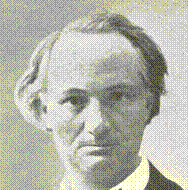
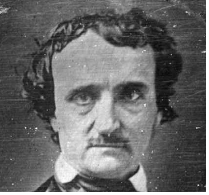
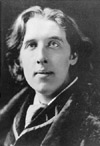
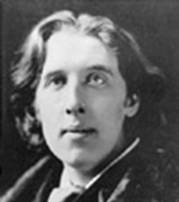
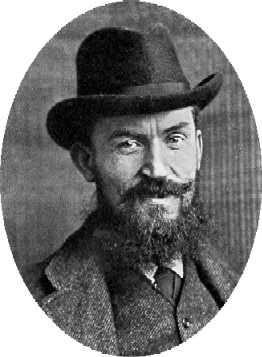
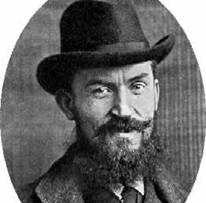
- REVERSE
IMAGE TRUE IMAGE
- EDGAR ALLAN POE CHARLES BAUDELAIRE
|
|
23
|
|
|
24
|
|
|
25
|
|
|
26
|
|
|
27
|
|
|
28
|
|
|
29
|
|
|
30
|
- Fibromyalgia Syndrome 2: both
claim “not CO”
- Chronic Fatigue Syndrome 2: 1 claims “not CO” the other says “from CO”
so not true CFS !
- Generalized Anxiety 1: claims “not CO”
- MCS / MUSES Syndrome 1: claims “from CO”
- Post Traumatic Stress Disorder 2: both claim “not CO”
- Somatization Disorder 3: all 3 claim “not CO”
Even most MCS patients fail to recognize any CO connection,
perhaps because CO is odorless, tasteless and invisible.
|
|
31
|
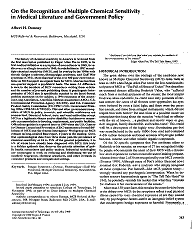
- Donnay, A.
International Journal
of Toxicology
1999;18(6):383-392
- “On the recognition
of multiple chemical sensitivity in medical literature and
government policy.”
|
|
32
|
|
|
33
|
- Anemia
- Angina
- Anosmia (loss of smell)
- Asthma
- Birth Defects
- Blindness
- Deafness
- Depression
- Diabetes
- Hallucinations of all kinds
- Heart Disease
- Mental Retardation
- Parkinson’s
- Psychoses
|
|
34
|
- CO is #1 Cause of Unintentional Toxic Deaths in USA
- CO is #1 Cause of Unintentional Toxic Poisonings in USA
- CO is #1 Air Pollutant in USA: more tons/year than all others;
primarily from industry, vehicles, fires, combustion appliances
- CO is also produced systemically by all mammals from heme breakdown by
Heme Oxygenase, the Universal Stress Enzyme.
- HO-1 is greatly induced by exposure to any type of stress :
heat, bright light, noise, odors, drugs, alcohol and other
chemicals, trauma, infection, electro magnetic fields, etc.
- Endogenous CO is not just bound to hemoglobin but bioactive in over 90
pathways in range of 1 to 10ppm
|
|
35
|
- Allergy
- Altitude Sickness
- Alzheimer’s
- Anemia
- Asthma
- Bronchiectasis
- Cystic Fibrosis
- Diabetes
- Heart Attack
- Heat Stress / Stroke
- Infections
- Methylene Chloride Poisoning
- Parkinson’s
- Pre-Menstrual Syndrome
- Upper Respiratory Tract Infections
|
|
36
|
- Normal bCO (maximum after holding breath 20 to 25 seconds)
Healthy Relaxed
Non-Smokers =
0-2 ppm
- Mildly Elevated bCO
Borderline Abnormal for Non-Smokers = 3-4 ppm
- Moderately Elevated bCO
Smokers and People with CO Disorders = 5-24 ppm
- Highly Elevated bCO
Recently Smoked or CO Poisoned = 25-999+ppm
- All healthy adults have approx. noon peak and midnight trough.
- Higher after supplemental oxygen & if standing vs. sitting vs.
supine.
|
|
37
|
- HO-CO controls sensitization and habituation to stressors of all kinds.
- Chronic repeated exposures to any stressor induces habituation,
so that higher doses are tolerated with less or no sensory
awareness.
- Isolated acute exposures (and de-habituation, as in ex-smokers) induce
sensitization, so that lower doses are less tolerated with more sensory
awareness.
- While exogenous stressors (heat, drugs, alcohol) may be avoided,
endogenous CO produced by HO in response to ANY stressor cannot.
- So if/once sensitized to CO via exogenous poisoning or dehabituation,
increased sensory awareness may be provoked by ANY stressor.
- Result is multi-sensory sensitivity to odors, lights, sounds, foods, etc
aka MUSES Syndrome (aka MCS in adults or Autism in children).
|
|
38
|
|
|
39
|
- Dr. George Cheyne in The English Malady, 1733:
- “Seldom any lasting or solid cure is perform’d … till they have sucked
in and incorporated the sweet balmy clear Air of the Country. … Diet
will do infinitely more than Exercise and have more lasting Effects, but
both should be joined. … Certainly the best of all is where Amusement or
Entertainment of the Mind is joined with Bodily Labour and Constant
Change of Air.”
- Edgar Allan Poe in The Premature Burial, 1844:
- “I took vigorous exercise. I
breathed the free air of Heaven.
I thought upon other subjects than Death. I discarded my medical books.”
- Donnay in CO Dx-Tx Protocol, 2000: O2 @ 6 L/m, 2 hr/day for 3 mo.
|
|
40
|
- MCS associated only with
sensitivity to chemicals is rare.
- Most MCS cases also report multi-sensory
sensitivity, aka MUSES Syndrome, consistent with descriptions of over
130 other similar syndromes published since 1733.
- Sentinel case in USA of Edgar Allan Poe was most likely caused by
chronic CO poisoning from exposure to gas lighting.
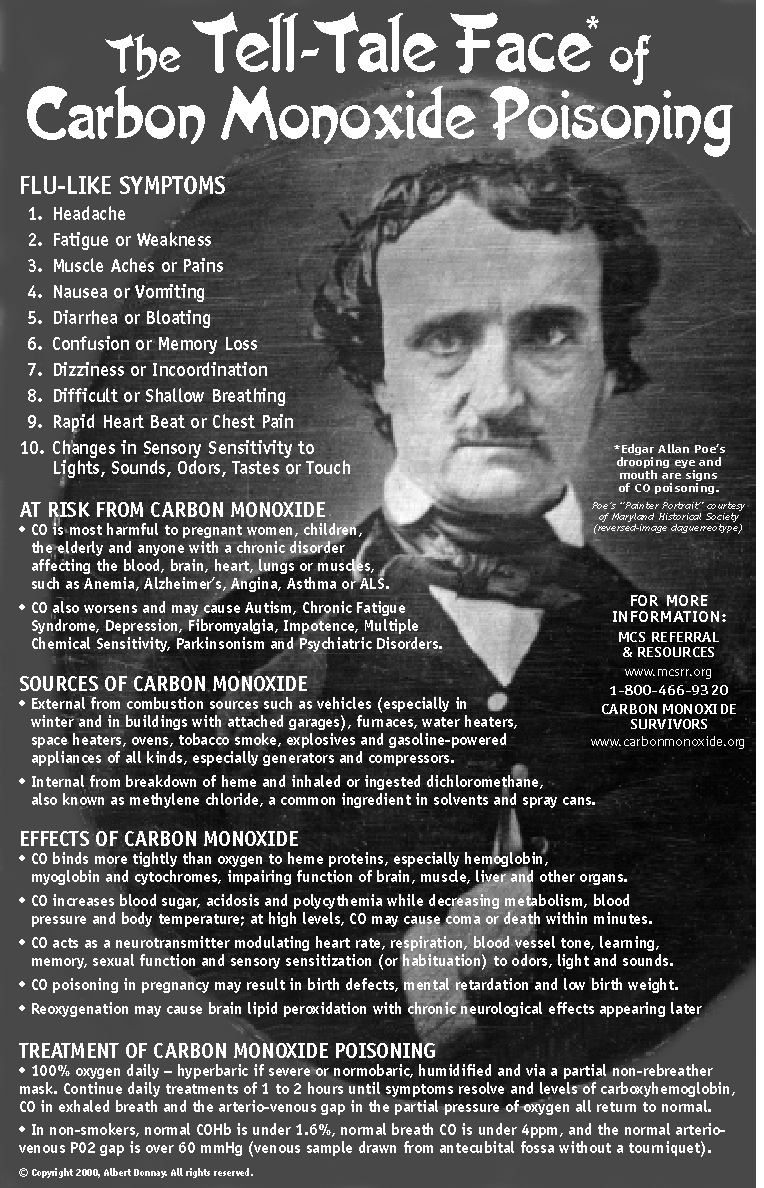
- MUSES syndrome caused by chronic CO poisoning is associated with a Tell
Tale Face and PaO2-PvO2<55mmHg.
- Oxygen uptake deficiency and MUSES symptoms may be treated successfully
with daily supplemental oxygen at home.
|
|
41
|
|

 Notes
Notes